All Categories
Featured
The Maryland Department of Real Estate and Community Advancement uses multifamily financing programs for the building and rehab of inexpensive rental housing units for low to moderate income households, elderly people and people with specials needs. Our multifamily bond programs concerns tax-exempt and taxable earnings home mortgage bonds to finance the acquisition, conservation and creation of budget friendly multifamily rental housing units in priority funding locations.
ProgramDescription The function of the Multi-Family Bond Program is to increase the building and rehab of multi-family rental housing for families with minimal incomes. Tax-exempt and taxable bonds and notes offer below-market and market rate building and construction and long-term funding. Taxable bonds offer market rate building and long-term financing to leverage federal Low-Income Real estate Tax Credits, and to finance tasks and activities which are disqualified for tax-exempt bonds.
Why Housing Assistance Works for YouAwards are based upon the criteria described in the State's Allocation Strategy. Projects funded with tax-exempt bonds might be qualified for Tax Credits beyond the competitive procedure. Project sponsors, or when it comes to syndication, financiers declare the Tax Credit on their federal tax return. Rental Housing Fund The Department's Rental Real estate Funds are made up of a number of programs all of which aim to rehabilitate or produce rental housing.
A part of the federal HOME moneys administered by the State also are included in Rental Housing Funds. The programs are typically created to be compatible with tax-exempt or taxable bond financing, low-income housing tax credits, and other private or public funds.Rental Real estate Works The function of Rental Housing Works is to produce tasks and strengthen the Maryland economy by providing space funding for the development and preservation of inexpensive rental real estate funded through the Maryland Department of Real Estate and Neighborhood Development's Multifamily Bond Program and Low Earnings Real Estate Tax Credit Program. Projects financed through the Collaboration Rental Housing Program typically involve a partnership in between State and regional governments. Group Home Program The function of the Group Home Program is to help people, qualified limited collaborations, and not-for-profit companies to construct or get or acquire and customize existing housing to serve as a group home or assisted living system for qualified individuals and families with special housing requirements or to refinance home loans on existing group homes. The Trust is governed by a Board of Trustees and staffed by the Maryland Department of Real Estate and Community Development. A portion of the interest produced by title business escrow offers the funding for the Maryland Affordable Housing Trust. Grants to local public firms and nonprofit developers to help individual newbie homebuyers through deferred-payment loans for downpayment assistance, home rehabilitation, consisting of made homes not on permanent foundations, acquisition and rehab, homebuyer counseling, self-help home loan help, or technical support for self-help homeownership. All funds to private house owners will remain in the form of loans. Loans for genuine residential or commercial property acquisition, site advancement, predevelopment, construction period expenses of homeownership development projects, or permanent
How Federal Relief Save the Home in 2026
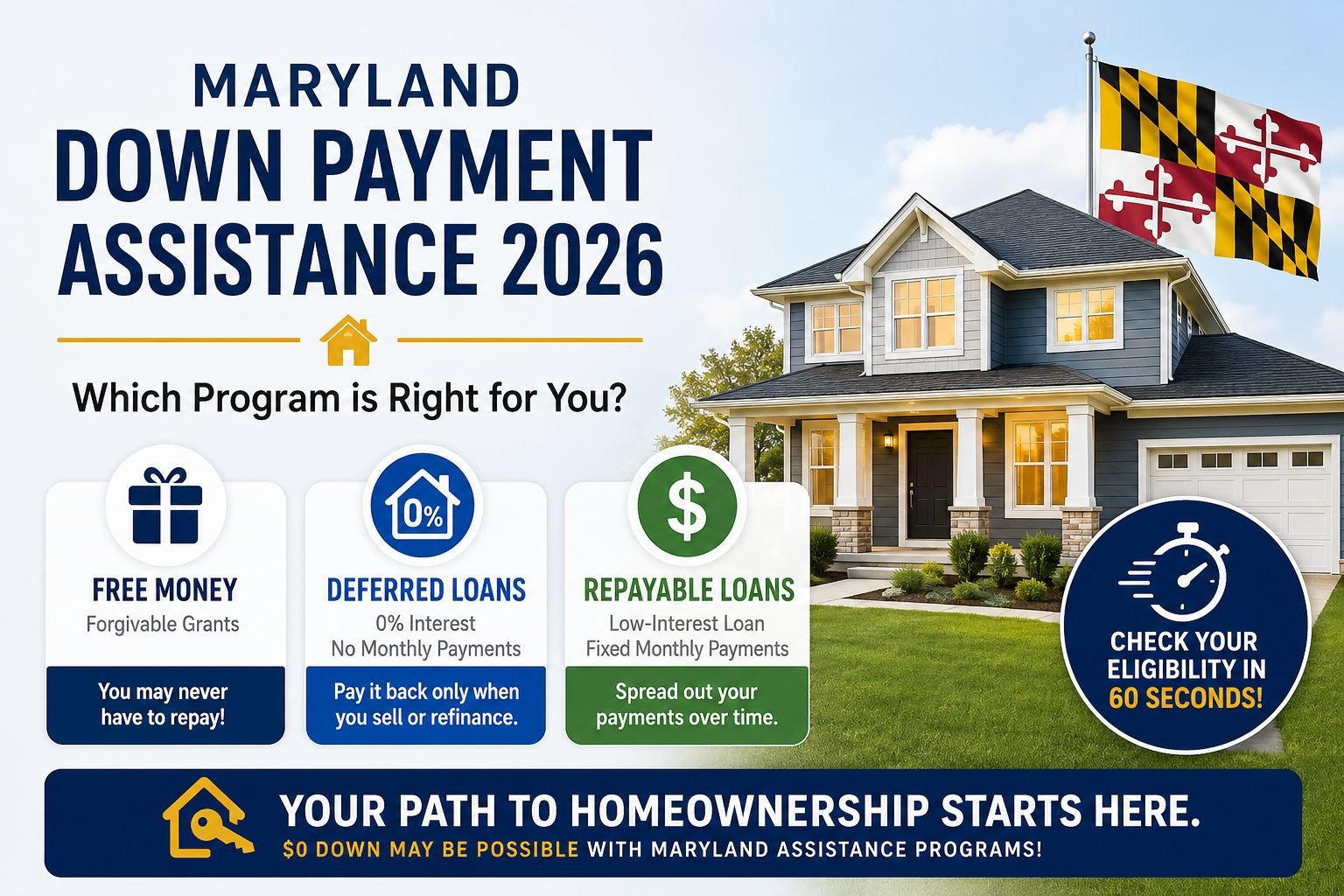
funding for mutual housing and cooperative advancements. Task loans to designers might be forgiven as the loans convert into credit loans to specific house owners. Assistance to private families will be in the type of deferred-payment loans payable on sale or transfer of the homes, or when they stop to be owner occupied, or at maturity. As an FHLBNY member, you have access to our first-time property buyer programs to increase budget friendly homeownership in your community. Each year, to participate in these programs and receive an allocation of funds for disbursement to qualified families, members should initially enroll in the round. HDP funds enable you to supply grants that help cover down payment, closing costs and homebuyer therapy services for qualified homebuyers who meet certain income and additional criteria as specified by each of the program parameters below:. Newbie homebuyer grants are help programs produced to support purchasers as they face the high upfront expenses of buying their very first home. In 2026, as affordability remains a crucial difficulty, grants continue to work as valuable tools.
for those going into the real estate market. These funds normally do not need repayment and might be utilized for down payments, closing expenses, or both. For a top-level understanding of offered US grants, you may likewise want to explore our roundup in Top 26 Grants to Get in 2026: Your Total Guide to Grant Funding Opportunities. Eligibility for first-time homebuyer grants is set by each state's real estate agency.
Most need that applicants have actually not owned a home in the past three years, fulfill certain earnings and credit history thresholds, and remain within purchase cost limits. Pending federal initiatives like the Downpayment Towards Equity Act might widen eligibility or financing if enacted. Many state housing finance companies manage their own grant programs, frequently in partnership with local federal governments or nonprofits. To understand more comprehensive federal funding patterns and opportunities for 2026, seeour area on 2026 Federal Grant Opportunities: Secret Deadlines, Top Agencies & Winning Application Methods. Common types consist of outright grants for down payment and closing expenses, forgivable loans, and matched-savings programs. Each program includes its own constraints and benefits. Grant programs differ state by state, some types regularly emerge among the most popular: 1. State Housing Financing Firm Grants: Nearly every state provides a main grant, such as Minnesota's Launch program or Kentucky Real estate Corporation's Property buyer Tax Credit. Federal Mortgage Bank Grants: These are available through affiliated local lenders across numerous areas. 3. Deposit Help(DPA) Programs: Choices like Colorado's CHFA or CalHFA in California supply grants or forgivable loans. 4. USDA Rural Development Grants: Federal grants created for buyers in rural areas assist make modest homes obtainable. Great Neighbor, Teacher, and First Responder Grants: Select places offer specialized grants to support important civil service workers. For in-depth and updated lists customized to your state, check out trustworthy sources such as The Mortgage Reports,, and the newest YouTube guides. You can also use federal websites to search and applysee our detailed resource Web page: Your Complete Guide to Finding and Requesting Federal Grants Online.

Latest Posts
Early Foreclosure Prevention Advice for Borrowers
Steps to Protect Your Home from Foreclosure Risk
Proven Ways to Get Mortgage Grants in 2026