All Categories
Featured
Table of Contents
The escrow procedure itself is basic. The support just appears as additional lien documents in your finalizing plan. CalPLUS FHA and CalPLUS Standard are 30-year fixed first home mortgages that exist to bring ZIP, which is obligatory on both. The agency's own descriptions note that CalPLUS runs at a slightly higher fixed rate than its standard loans.
Whether the trade wins depends upon your cash at closing versus your long-run cost. It is a mathematics issue, not a slogan. The credit floors are released in the agency's loan provider matrices, updated January 1, 2026. CalPLUS FHA begins at a 640 score with debt-to-income approximately 45%, and a 700 rating stretches that ceiling to 50%.
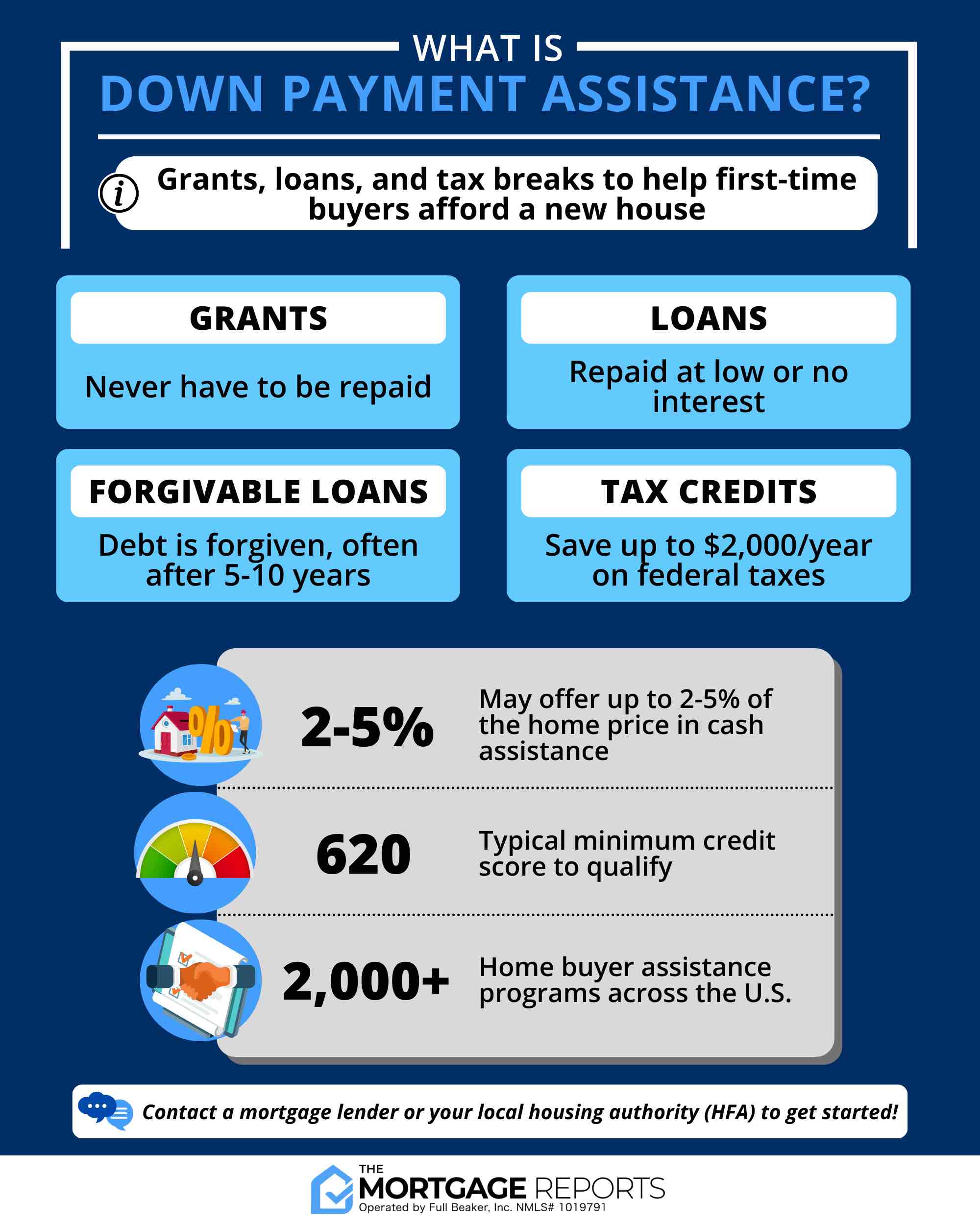
The standard programs require 680, with 700 again opening the higher debt ratio, and they permit no manual underwriting. Requirement FHA loans in California are worth comparing when your rating sits below the traditional flooring. CalPLUS Access is the newer branch of the family. Rather of ZIP, these FHA and traditional first mortgages set with MyAccess, a postponed junior loan of 2.5% of the loan amount, usable for either a deposit or closing costs.
Ways to Handle Loan Debt Smartly NowThe practical question is whether ZIP or MyAccess pencils out better for your county and price point. That response moves with prices, so have your loan officer run both. Dream For All is the state's heading help program and its most misconstrued. It reaches 20% of the purchase price, capped at $150,000, toward a down payment or closing expenses, connected to a Dream For All Standard first home mortgage.
When you offer, move, or pay off the first loan, you repay the original amount plus a share of your home's gratitude. Buyers at or below 80% of location average earnings repay a lowered 15% share.
A Step-by-Step Manual to Housing Relief
Price it honestly against an interest-bearing loan before you commit. Eligibility here is the catch, and it is stricter than the remainder of the lineup. At least one borrower should be a first-generation property buyer. That means someone who has actually not owned a home in the last 7 years, and whose moms and dads, so far as the purchaser knows, own no home in the United States today or owned none at the time of death.
Each borrower on the loan need to also be a first-time homebuyer. The first round in 2023 ran initially come, first served, and the entire allotment was scheduled in eleven days.
The 2026 cycle followed that script. The application website closed March 16, 2026, and coupons headed out to selected candidates on May 20, 2026. Since July 2026, no new round has actually been revealed. Preparation for the next window is concrete. Collect parent paperwork for the first-generation test, take the totally free one-hour Dream For All course, and get pre-approved with a taking part lender before the portal opens, not after.
The Forgivable Equity Home builder loan when used 10% of the purchase cost and forgave the balance after five years of occupancy. Its funding was exhausted after the 2022 launch, and it does not appear in the agency's 2026 program handbook lineup. If the legislature funds a brand-new round, it will surface through CalHFA program publications initially.
New Housing Assistance Programs to Help Homeowners
CalHFA sets one earnings limit per county, and the 2026 table took effect June 30, 2026. What counts is the qualifying earnings on your loan, not whatever your household makes. County2026 qualifying income limitMost inland, Central Valley, and rural counties (Fresno, Kern, Butte, and comparable)$192,000 Los Angeles$214,000 Sacramento$245,000 Alameda, Contra Costa$322,000 Marin, Napa, San Francisco, San Mateo, Santa Clara$325,000 These numbers move every summer, so verify your own county on the firm's existing table before ruling yourself in or out.
Simply as essential is what gets counted. The limit applies to the qualifying income of the debtors on the loan, the very same earnings the lender uses for approval. Earnings from a family member who is not on the loan do not count against the cap. Income the lending institution ignores, the firm ignores too.
You pass if you have not owned and occupied a primary residence in the last three years, and have actually not lived in a home your partner owned throughout that period. The standalone first home loans dropped it, so a repeat purchaser within the earnings limitations can still use a CalHFA or CalReady first home loan without assistance attached.

Latest Posts
Early Foreclosure Prevention Advice for Borrowers
Steps to Protect Your Home from Foreclosure Risk
Proven Ways to Get Mortgage Grants in 2026